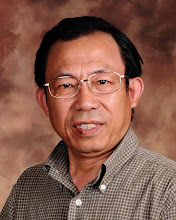
我的简介

我的照片
作家、摄影家、民间文艺家

2023年11月3日星期五

Lord Vishnu


Lord Vishnu


The donkey and Agudengba walked all the way, crossing thousands of mountains and rivers, and came to India at the southern end of the snowy area. The donkey was very surprised to see many cows being worshiped as sacred cows here.

Agudemba said to the donkey: Consecrating cows as gods is related to Indian religious beliefs. Hinduism is divided into three major sects, namely Vishnu, Shiva and Pakti. It can be said that Vishnu has the highest status and has the greatest influence among the three major sects. Among the three main gods, Vishnu is in charge of the "living" of all living beings, and is the great god who maintains and protects him. Compared with Brahma, who is in charge of "life", and Shiva, who is in charge of "destruction", Vishnu's image is more wealthy. The combination of power and rights is the ideal form that all living beings pursue and worship.

Agudemba and the donkey came to an ancient temple. He said to the donkey: There are many sculptures and paintings here. You can see that Vishnu is often with Brahma and Shiva, either standing or sitting. Vishnu is in the center and has a prominent position. Sometimes in the boundless sea of milk, the thousand-headed divine snake Shesha will coil up as a snake bed, and Vishnu will lie on it, leisurely; Vishnu's wife sits at his feet and massages him; on his navel A lotus stretches out, with Lord Brahma sitting on it, showing that the two gods are one. Vishnu sometimes rides on the roc, soaring in the universe and observing everything.

The Vishnu that Donkey sees from these paintings is tall and mighty, holding a conch, a divine wheel, a divine hammer, a divine bow, etc. in his four hands. Vishnu appears as a king, with rich clothes and crown, clad in gold and silver, blue-black complexion, face like a full moon, eyes like a torch, his chest is decorated with gems from the sea of milk, and he wears a garland of holy threads.

Agudemba said: The legendary Vishnu is powerful in the three realms, but this was not the case at the beginning. In the period of Vedicism and early Brahmanism, he was humble and was not taken seriously, and there were few dedicated hymns to him. He is just the son of the two gods of heaven and earth, a small god and a dwarf.

Agudumba told the donkey about the legendary Vishnu.

Once, Tuoluo led the army of gods to fight against the army of demons, destroying castles, digging dikes, and fighting for cattle. During this period, there are narratives about the god of fire burning the wasteland, the god of wine emboldening him, and the god of medicine curing all diseases. However, when the divine army and the demonic army fought, the latter actually won. According to the rules: the divine army had to leave the heaven and give way to the demonic army.

At this critical moment, Vishnu came forward to do misfortune. He admitted defeat, but asked for a three-step ground to gain a foothold. The devil thought highly of himself and agreed to his request. As a result, Vishnu crossed the earth boundary in the first step and crossed the boundary in the second step. After crossing the void, there was nowhere to put his feet when he took the third step. The devil had no choice but to take it with his head, and was kicked into the ground by Vishnu.

Agudemba said: This story shows that the devil is stupid and easy to deceive, but he keeps his promise; Vishnu is extremely wise, but he is treacherous. Although Vishnu's cleverness in deceiving people was just a small trick, Vishnu's status rose from this and he became an important staff officer in the war camp of the divine army, often helping the divine army defeat the demonic army.

During the period of Brahmanism, Vishnu became the most important god, occupying the center of the three realms. In the battle with the demonic army, his role became more and more important, surpassing that of Dhara.

After the Middle Ages, Brahmanism developed into Hinduism, and Vishnu became the protagonist in the "Purana", and then became the "leader" of Hinduism after the Middle Ages and the supreme being in the minds of Hindus. It created the image of Vishnu as the master, and also created the system of the three main gods of Hinduism. In epic and Puranic mythology, Brahma, Vishnu and Shiva together constitute the three-phase god of "birth", "dwelling" and "destruction". "Birth", "dwelling" and "destruction" are actually the three aspects of energy of one god. "Dwelling" is particularly important. "Birth" is for "dwelling", and "destruction" is for "dwelling" again. Vishnu is most respected by believers. It's logical.

"Vishnu" is the omnipresent god who controls all worldly affairs. Only by worshiping him can believers enjoy happiness in this world and the next.

In order to save the world, Vishnu incarnated and descended to earth many times, the main ones being as many as 24 times, 10 of which had a huge impact. There are 10 most representative incarnations, namely fish, turtle, pig, human lion, dwarf, axe-wielding Rama, Krishna, Rama, Buddha and Kalgi. The 9th incarnation of Buddha and the 10th incarnation of Kalki.

The two important incarnations of Vishnu are: Krishna and Rama. Krishna and Rama are quite historical and can almost be regarded as historical figures in early India; axe-wielding Rama and Buddha are also incarnations of Vishnu. The former has historical connotations and the latter has cultural connotations.

There are many "Purāas" in the Hindu system, and there are 36 major and minor Puranas. Generally speaking, there are 18 major Puranas. The themes and content of this type of literature are legends about Indian gods and royal families. In almost every one of these Puranas there are legends of Vishnu's miracles.

As a great god, Vishnu plays the most important role. He rules over the universe, protects the world, shows mercy to all things, combines gods and kings, and is even known as the only embodiment of the three-phase god. He combines creation, maintenance and destruction, and has the most followers.

The donkey listened to Agudengba's narration, but seemed to understand. Agudemba then sang to the donkey a popular snowy folk song "Vishnu, Our Lord God":


Vishnu, our Lord God,

He is righteous and good at strategy,

He is upright and adaptable;

He will not rest on his laurels,

He always moves with the times.

He sympathizes with the weak,

Also punishes the strong,

He is compassionate and kind,

He also hates evil as much as he hates it.


Vishnu, our Lord God,

He convinced the whole world,

He is followed by believers.

He has made great achievements and ruled the world,

He protects the world and takes pity on all things.

He combines god and king,

He is the only embodiment of the three-phase god,

He has the largest number of followers.

主神毗湿奴(雪域寓言)


主神毗湿奴

驴子与阿古登巴一路前行,越过千山万水,来到了雪域南端的印度。驴子看到了很多牛在这里被奉为神牛,十分惊讶。

阿古登巴对驴子说:将牛奉为神,这与印度的宗教信仰有关。印度教分三大教派,即毗湿奴教派、湿婆教派和帕克蒂教派,可以说,毗湿奴地位最高,在三大教派中影响最大。在三大主神中,毗湿奴掌管众生“住”的大权,是维持和护持大神,比起主管“生”的梵天和主管“灭”的湿婆,毗湿奴的形象更具富贵色彩,权力与权利兼具,是芸芸众生追逐和膜拜的理想形态。

阿古登巴与驴子来到一座古老的寺院前,他对驴子说:这里有很多雕塑和绘画。你可以看到,毗湿奴常和梵天、湿婆在一起,或立或坐,毗湿奴居中央,地位显赫。有时在无边无际的乳海中,千头神蛇舍沙会盘作蛇床,毗湿奴则躺于其上,悠然自得;毗湿奴的妻子坐在他脚边,为他按摩;他的肚脐上伸出一支莲花,上面坐着梵天大神,显示二神一体。毗湿奴有时也会骑于大鹏身上,翱翔于宇宙之间,俯察万事万物。

驴子从这些绘画中看到的毗湿奴,高大威武,四只手分别持法螺、神轮、神锤、神弓等。毗湿奴呈王者相,华衣宝冠,披金戴银,肤色蓝黑,面如满月,目光如炬,胸前饰有出自乳海的宝石,并佩戴圣线花环。

阿古登巴说:传说中的毗湿奴势倾三界,并非一开始就是这样。在吠陀教和早期婆罗门教时期,他位卑言轻,不被重视,几无专属颂诗予他。他只是天地二神之子,只是一个小神,还是个侏儒。

阿古登巴对驴子讲述了传说中的毗湿奴。

有一次陀罗带领着神军大战魔军,摧毁城堡,开掘堤坝,争抢牛群;其间伴有火神烧荒垦地、酒神壮胆助威、医神治疗百病的叙事。不过,神军和魔军打仗时,后者居然获胜,依照规则:神军得离开天界,让位于魔军。

在这关键时刻,毗湿奴出面卖惨,他承认败局,但求三步之地以立足,魔王自视甚高,应允所求;结果,毗湿奴第一步跨过了地界,第二步跨过了空界,跨出第三步时已无处放脚,魔王只好以头承接,继而被毗湿奴踹入地下。

阿古登巴说:这个故事昭示了魔王愚笨好骗,却遵守诺言;毗湿奴智慧过人,却背信弃义。毗湿奴伐谋骗人的这点聪明虽然只是小把戏,但毗湿奴的地位却由此而上升,成为神军战营的重要参谋,经常帮助神军战胜魔军。

到了婆罗门教时期,毗湿奴一跃成为最重要的主神,位居三界中心,在与魔军的争斗中,他的作用愈发重要,超过了陀罗。

中世纪以后,婆罗门教发展成为印度教,毗湿奴成为“往世书”中的主角,进而成为中世纪之后的印度教“教主”和印度教徒心目中的至上者。造就了毗湿奴的主宰者形象,还造就了印度教的三大主神体系。在史诗和往世书神话中,梵天、毗湿奴和湿婆一起构成“生”“住”“灭”三相神。“生”“住”“灭”实为一神的三方面能量,“住”尤重,“生”是为了“住”,“灭”是为了再“住”,毗湿奴最受信众礼遇也就顺理成章。

“毗湿奴”为无所不在之神,掌控一切世事,信众唯有顶礼膜拜他,才能享有现世和来世的幸福。

为了拯救寰宇,毗湿奴多次化身下凡,主要的有24次之多,其中有10次影响巨大。最有代表性的化身有10个,即鱼、龟、猪、人狮、侏儒、持斧罗摩、黑天、罗摩、佛陀和迦尔吉。第9个化身佛陀和第10个化身迦尔吉。

毗湿奴的两个重要化身是:黑天与罗摩。黑天和罗摩颇具历史色彩,几乎可以被看做早期印度的历史人物;持斧罗摩和佛陀也是毗湿奴的化身,前者有历史寓意,后者有文化内涵。

印度教系统的“往世书”很多,重要的有大小36部,一般所说的是18部大往世书。这类文献的主题和内容都是关于印度神灵和王族的传说。在这些往世书中,几乎每部书中都有毗湿奴的神迹传说。

毗湿奴作为大神,居功至伟,他君临寰宇,护持世界,垂怜万物,寓神明与君王于一身,甚至被誉为三相神的唯一体现,集创造、维持和毁灭于一身,拥有最多的追随者。

驴子听了阿古登巴的叙述,似懂又非懂。阿古登巴便对驴子唱起了通俗的雪域民谣《毗湿奴,我们的主神》:


毗湿奴,我们的主神,

他仗义而善于谋略,

他正直而善于机变;

他不会固步而自封,

他总是与时同俱进。

他同情弱者,

也惩戒强者,

他慈悲善良,

也嫉恶如仇。


毗湿奴,我们的主神,

他令普世大众心悦诚服,

他是信徒们的追随对象。

他居功至伟,君临寰宇,

他护持世界,垂怜万物。

他寓神明与君王于一身,

他为三相神的唯一体现,

他拥有了最多的追随者。

Accept fate


Accept fate


After Agudemba traveled to India on a donkey, Agudemba said to the donkey:

Hinduism was created not by the natives of India but by the conquering Aryans. Hinduism is actually the spiritual weapon and an ideology used by the Aryans to rule the native Indians.

After the Aryans conquered South Asia, they established a strict caste system. They set up four castes in India: Brahmin, Kshatriya, Vaishya, and Sudra. The conqueror Aryans belonged to the high caste of Brahmins and Kshatriyas. The conquered Indian natives belonged to the low-level Vaishyas and Sudras.

The characteristic of Indians is that they accept their fate, ignore class differences, and live only by instinct. They do not have a strong sense of struggle, money, and resistance, and they will not say things like "Princes, generals, and ministers, I would rather have my own kind." Therefore, the changes in Indian history are all due to foreign races, from the Aryans to the British, this has always been the case.

Agudemba said to the donkey:

The Hindu god system has three main gods, Brahma (the god of creation), Shiva (the god of destruction), and Vishnu (the god of maintenance).

This god Shiva is nominally the god of destruction, but actually has dual personalities of reproduction and destruction, creation and destruction. This character setting sounds like a contradiction in dialectics, which is very formal. To understand it another way, it is actually the carrot responsible for reproduction and creation and the stick responsible for destruction and destruction. There are thousands of gods, but they only have two kinds of connotations: carrot and stick.

The so-called gods either use carrots to attract believers, or they use big sticks to scare believers. But most of the time, God is a carrot in one hand and a stick in the other. Of course, saying this is a bit like the tricks politicians often play. Warm words are spoken, but a big stick is held in hand. In fact, religion and politics are essentially interconnected.

It must be admitted that this ideology of the Aryans was very successful, and its effectiveness continues to this day and has not diminished for thousands of years. Indian classes also began to solidify thousands of years ago.

Therefore, the completely conquered Indians did not care about the past history, nor did they care much about the unsatisfactory reality, but they were very willing to dream about the future. They hope that in the next life, it is good to be reincarnated as a Brahmin, otherwise it is not bad to be reincarnated as the cow under the throne of Lord Shiva. The Indians' sacred cow complex links the sacred cow with the afterlife. The cow has thus become a sacred animal in Hinduism, and also represents Hindus' expectations for the afterlife.

The donkey listened to Agudengba's narration, but seemed to understand. He then sang to the donkey the popular snowy folk song "Accepting Fate":


God empowers the king,

The rich believe in past life cultivation.

The poor are destined to be poor and humble,

Why is heaven unfair?


Thousands of acres of fields are plowed by cattle and horses,

The fruits are harvested by the landlord.

The carp in the pond wants to transform into a dragon,

Promotion and wealth are all in vain.


Where can benevolence, justice, propriety and wisdom be found?

Money can make the world go round.

Understanding all things creates confidence,

Accepting your fate will only ruin your life.

认命(雪域寓言)


认命


阿古登巴骑着驴子游历到印度后,阿古登巴对驴子说:

印度教并非由印度土著创造,而是征服者雅利安人创造的。印度教,其实就是雅利安人统治印度土著的精神武器,一种意识形态。

雅利安人征服南亚大陆之后,建立了等级森严的种姓制度,他们给印度设置了婆罗门、刹帝力、吠舍、首陀罗四个种姓。征服者雅利安人属于高等级的婆罗门和刹帝力。被征服的印度本土人属于低等级的吠舍、首陀罗。

印度人的特点就是认命,可以无视阶级差异,仅依靠本能活着,没有很强的奋斗意识、金钱意识与反抗意识,不会喊王侯将相、宁有种乎这样的话。所以印度历史的改变全靠外来种族,从雅利安人到英国人,历来都是如此。

阿古登巴对驴子说:

印度教的神灵体系有三位大主神,梵天(创世之神)、湿婆(毁灭之神)、毗湿奴(维护之神)。

这个湿婆神,名义上为毁灭之神,其实兼具生殖与毁灭、创造与破坏双重性格。这个角色设定听起来仿佛是辩证法中的对立矛盾体,文绉绉的。换一种方式理解,其实就是负责生殖和创造的胡萝卜和造成毁灭与破坏属性的大棒。神灵千千万万,内涵只有胡萝卜和大棒两种。

所谓神灵,要么是拿胡萝卜吸引信徒,要么是拿大棒恐吓信徒。但多数时候,神灵都是一只手胡萝卜,另一只手是大棒。当然这么说起来,有点像政治家经常玩弄的手腕。温言在口,大棒在手。其实宗教和政治,本质上是互通的。

必须承认,雅利安人的这套意识形态搞得非常成功,功效一直延续到现在,几千年不减。印度阶层也从几千年前开始固化下来。

于是彻底被征服的印度人不关心过往历史,也不太在意不如意的现实,却很愿意幻想将来他们希望在来世,能转世为婆罗门当然好,否则转世为湿婆神座下的那头牛也不错。印度人的神牛情结,是将神牛和来世联系在一起了。牛由此变成了印度教里神圣的代言动物,还寄托了印度教徒对来世的期许。

驴子听了阿古登巴的叙述,似懂又非懂。他便对驴子唱起了通俗的雪域民谣《认命》:


上天授权给君王,

富家认定前世修。

穷人贫贱天注定,

为何苍天不公正。


万亩田地牛马耕,

果实却让地主收。

池中鲤鱼想化龙,

升官发财皆是空。


仁义礼智何处有,

有钱能使鬼推磨。

读懂万物树自信,

认命只会毁一生。

Luck of Zebu


Luck of Zebu


Agudemba traveled to India riding a donkey, Mahu. Since the Indian cow is protected by legislation, it has simply become a god. As for the donkey, it does not receive any special respect. Donkey Mahu was not happy about this, thinking it was racial discrimination against the donkey.

Agudemba said to the donkey:

In India, not all cows are gods. Just like people are divided into three, six or nine levels, dogs include native dogs and shepherd dogs. In India, cows also have levels.

The sacred cow in India specifically refers to a type of cow with a huge knob on the top of its neck. Its scientific name is Zebu, and it is also called "Brahman cow" in India. And cows, oxen, and buffalo are not the "gods" at the top of the cattle pyramid.

Because the religion that most people in India believe in is Hinduism, not Buddhism, Hinduism worships cows. Cows are considered extremely sacred. In Indian mythology, cows are Shiva’s mount and a symbol of the universe.

Cows can walk freely on the streets and will not be driven away when entering the fields to eat crops grown by farmers. Hinduism strictly prohibits killing cows, eating beef, and using cowhide products. This cultural phenomenon can be seen everywhere in India, but not all types of cows All are treated like this, and only the "zebu" is respected as a sacred cow.

However, except for a few beautiful and strong white zebu cattle that are put into temples for people to support, most zebu cattle also have to work, doing physical labor like oxen and buffaloes.

The lowest "caste" in the Indian cattle world is the tragically fateful buffalo. If zebu is the upper caste of Indian cattle, then buffalo is definitely the lowest caste. Buffalo is not sacred in India, and there is even a view that "buffalo meat is not beef". In addition to hard work, the buffaloes in India are one of the main foods for Muslims and Christians in India, and even their skins are made into leather products. India is actually a major beef exporter, 80% of which is buffalo meat. The country's buffalo accounts for 53% of the world's total number of buffaloes. The low-priced buffalo meat is very popular in Africa and Southeast Asia. India's neighbor Nepal slaughters hundreds of thousands of buffaloes every year to worship the gods.

Agudemba advised the donkey: You don’t have to worry about being a donkey instead of a cow. Although Zebu is regarded as a sacred cow in India, when the Zebu gets old, it will only die. Even the sacred cows are not as comfortable as imagined. When they cannot provide labor, because the law stipulates that cattle cannot be slaughtered, they will be let out by their owners and left to fend for themselves. Some sacred cows are injured by cars on the street. Some were unable to obtain food and starved to death.

Agudengba sang a snowy song called "Cow Ballad":


There are straight trees in the snowy mountains,

In troubled times, there are no straight people.

The mortal world is full of people,

How many close friends do you have?


Cows, horses, donkeys and mules all have lives;

Luck is controlled beyond one's control.

I need help and praise you for your hard work.

I smile when I eat you.


Since ancient times, tyrants have no mercy;

When powerful ministers fight against each other, they are all evil.

The greedy heart is hard to satisfy,

Having too much money harms others as well as yourself.


Zebu was ridden by gods during its lifetime.

He died inexplicably after being abandoned.

The flowers of wealth never last long;

After death, he was cursed to become a cow ghost.


Today is a day for gods and ghosts,

Life and death are all about luck.

Poor ignorant people just accept their fate,

Perpetuating bad habits harms all living beings.

瘤牛之运(雪域寓言)


瘤牛之运


阿古登巴骑着驴子马户游历到印度,由于受立法保护的印度牛,简直就成了神,至于驴子,那就并不会得到什么特别的尊崇。驴子马户对此很不高兴,认为这是对驴子的种族歧视。

阿古登巴对驴子说:

在印度,并非所有的牛都是神,就像人被划分成三六九等一样,狗有土狗和牧羊犬,在印度,牛也有等级之分。

印度的神牛专指一种脖子上方带有一个硕大的瘤峰的牛,学名称为瘤牛,印度也称之为婆罗门牛。而奶牛、黄牛、水牛都不是牛类金字塔顶端的

因为印度大部分人信仰的宗教是印度教并非佛教,印度教崇拜牛,牛被认为是极为神圣的,在印度神话中,牛是湿婆的坐骑,是宇宙的象征。

牛在街道上可以自由行走,进入田间地头吃农民种植的庄稼也不会被驱赶,印度教严禁杀牛,不能吃牛肉,不能使用牛皮制品,这种文化现象印度随处可见,但并非所有种类的牛都有这样的待遇,只有瘤牛才被尊为圣牛。

不过除了极少数长得漂亮、体型健硕的白色瘤牛会放到神庙中供人供养,大部分瘤牛也得干活,像黄牛、水牛一样从事体力劳动。

印度牛界最低的种姓命运悲惨的水牛。如果说瘤牛是印度牛的高种姓的话,那么水牛绝对是最低种姓。水牛在印度并不神圣,甚至有水牛肉不是牛肉的观点。印度的水牛,除了要辛苦的劳作外,它们的肉还是印度穆斯林和基督徒的主要食物之一,甚至它们的皮也会制作成皮革制品。印度居然还是牛肉出口大国,其中80%是水牛肉,该国水牛占世界水牛总数的53%,价格低廉的水牛肉在非洲和东南亚很受欢迎。印度的邻国尼泊尔每年会屠杀几十万头水牛供奉神灵。

阿古登巴劝导驴子:你不必担心自己是驴,而不是牛。瘤牛在印度虽然被视为神牛,但等瘤牛老了,也只有死路一条。就算是神牛也没有想象中那么舒服,它们无法提供劳力的时候,因为法律规定不能宰杀牛,它们会被主人放任到外面,任其自生自灭,有些神牛在街上被汽车撞伤,有些无法获得食物被活活饿死。

阿古登巴唱起了一首雪域《牛谣》:


雪域大山有直树,

乱世浊流无直人。

红尘处处满是人,

知心朋友有几人?


牛马驴骡皆有命,

运被操控不由己。

需要相助夸你勤,

食你之时笑颜开。


自古暴君无仁慈,

权臣相斗皆恶人。

人心贪婪难满足,

财多害人也害己。


瘤牛生前奉神骑,

被弃之后莫名逝。

富贵花开无长久,

死后被咒变牛鬼。


今日为神明日鬼,

生死一场全是运。

可怜无知只认命,

固化陋习害众生。

2023年11月2日星期四

Sacred cow shrine


Sacred cow shrine


During the mad cow disease epidemic, in order to avoid the fate of being slaughtered, the young bull Kaul fled his home and joined the herd led by the cow master to go to India, the holy land of sacred cows. Master Niu told the little bull Kaul: Indian civilization is closely related to religious civilization. Indian religious civilization was established very early, at about the same time as Chinese civilization. Hindus' reverence for cows can be traced back to 1500 BC, during the Shang Dynasty in China. At that time, some ancient scriptures in India even defined killing a cow as killing a person, and threatened that God would punish the murderer of the cow. Therefore, Indians have elevated the status of cattle very high. But the sacred status of cows in India is not new.

Mr. Niu said that the Aryans in ancient India were nomadic people, and the importance of cattle to them was self-evident: beef could be eaten, milk could be drank, cow urine could be used as medicine, and cow dung could be used as fuel and fertilizer. When the Aryans gradually settled down and transformed from a pastoral society to an agricultural society, cattle could both cultivate and pull carts for transportation, and slowly transformed into one of the irreplaceable tools for agricultural production. The importance of cows was emphasized in India's ancient religious texts "Rigveda" and "Purana". However, at that time, cows could still be killed, eaten, and used for sacrifice. Cows are not only an important production tool closely related to agricultural life, but also appear in Indian religion. By the 6th to 5th centuries BC, Buddhism and Jainism gradually emerged. They share a common characteristic - not killing. The rapid development of Buddhism and Jainism had an impact on Brahmanism at that time. Brahmanism also adapted to social changes and began to slowly absorb and accept some characteristics of Buddhism and Jainism: reducing the use of animal sacrifices, and even warning people not to You can kill for the sake of appetite. By the 8th century AD, the ancient Brahmanism gradually developed into today's Hinduism. Non-violence and non-killing also became a moral value. People regarded the killing and eating of animals as a religious and social taboo.

The little bull Kaur asked:

When China's Lao Tzu left Hangu Pass in the west, he also rode an ox. While resting, he wrote the masterpiece "Tao Te Ching". In Chinese mythology, cows are given the role of "Bull Demon King" and cows are not worshiped as gods. Why do Indians worship cows so much?

Mr. Niu said that in Hinduism, the cow is the mount of the main god "Lord Shiva"; therefore, it is regarded as a "divine animal" by Hindus. The cow is just the mount of the god, not the god itself. Lord Shiva's mount is a white bull, and there is also a statue of a bull outside the Hindu gate. The name of this sacred cow is Nandi, which means "joy, happiness". It is very important in Hinduism. It is not only the mount of Lord Shiva, but also the guardian of the gate and the leader of the eight ghosts and gods in Hinduism. Therefore, Hinduism’s reverence for cows is not only due to the requirements of vegetarianism, but also because it has adapted to the times and has become an integral part of religion.

 Lord Niu took his herd to the Hindu temple. In the temple, you can see statues or murals of cows, and believers also worshiped them. The famous Indian leader once said: "Respecting and protecting cattle is the most noble behavior of human beings. This kind of profession can make people transcend the ordinary and become holy."

The little bull Kaur and the other cattle tribe were very surprised. In India, you can see herds of cattle strutting across the road everywhere. Some even lie unscrupulously in the middle of the busy road, ignoring the traffic at all. vehicles and crowds. It can be seen that Indians respect cows very much, just like worshiping gods.

 Master Niu said, why did I bring you here? Because there is also a law specifically protecting cows in India. Article 48 of the Indian Constitution prohibits the slaughter of cows, calves and other milk-producing cattle. In other words, even if the cow is not a sacred cow, it cannot be slaughtered at will in India. Therefore, in India, a cow works hard all its life. When it gets old and can no longer work, it can either enjoy life in the owner's home, or it can only be exiled on the streets and allowed to wander around and fend for itself. I am old and this is my final destination. You are still young, but you can be respected here and not bullied. This is a paradise for cattle.

 When Mr. Niu said this, he sang "Holy Cow Song" excitedly:


Weeping in the village and hearing songs at night,

There are so many changes in the world.

When I sing and cry, I forget my heart and purify myself.

Sing the sacred cow song in silence.

The source of all misfortune,

Lies always hide the truth.

In fact, life is all cattle,

Work and rest, life and death, are determined by God.