
雪域天神为了让人类开智,就让智慧菩萨化身阿古登巴,到民间去扶贫救困,行善惩恶。
阿古登巴来到了雪域珠峰脚下,他被这里的奇特风光和神秘色彩吸引了。这里地旷人稀,空气鲜净。皑皑积雪的山峰,郁郁葱葱的原始森林,满坡的杜鹃花,奔流不息的河流和静谧的湖泊,这里没有扰人的污染,仍保持着原始的清净。
阿古登巴躺平在草原上,一边吃着糌粑,一边欣赏着雪域的风光。这时,有几只小蚂蚁爬到了他的手臂上,原来他们闻到了糌粑的香味。
阿古登巴将一小块糌粑放在手心里,不一会很多蚂蚁都跑来了。
蚂蚁除了地球的两级和高山的雪线以上极寒冷区域,几乎遍布陆地上的各个角落。蚂蚁具有典型的社会性群体特征,蚁群分为蚁后、雄蚁、兵蚁、工蚁。蚁群会相互合作、照顾幼体、明确劳动分工,以及子代在一段时间内照顾上一代。
蚂蚁建立群体,是以通过婚飞方式两性相识结交为起点。雌雄蚂蚁相识后一见钟情,在飞行中或飞行后交尾。“新郎”寿命不长,交尾后不久死亡,留下“遗孀”蚁后独自过着孤单生活。
蚁后作为蚁群的创始人,在光荣地完成了交配的任务后,就由空中降落到地面上,它的四翅从根部折断,接着独自挖一个竖井,直通地下,为自己开辟一个小房子。此时,蚁后成了“孤家寡人”,力量有限,只能将暂时造的小室,作为已“受孕”的产房。待体内的卵发育成熟产出后,小幼虫孵化出世,蚁后就忙碌起来。每个幼虫的食物都由她嘴对嘴地喂给,直到这些幼虫结茧或化蛹,羽化为成蚁为止。
这批成蚁中有很多是工蚁。最初一批工蚁的生长,完全靠蚁后所携带的能量生活,在封闭的巢穴中,没有能量的补充。当第一批工蚁长成时,它们便挖开通往外界的洞口去寻找食物,随后又扩大巢穴建筑面积,为越来越多的家族成员提供住房。工蚁负责建造保卫巢穴、采集食物、伺喂幼蚁等一系列工作,是蚂蚁中最累的职业。
等到第一批成年工蚁长成后,蚁后的食物才会有新的来源。自此以后,饱受艰苦的蚁后就坐享清福,成为这个群体大家族的统帅。
藏在与世隔绝的洞里,蚁后还要警惕其他动物对蚁群的侵略。于是兵蚁担负起战斗任务。兵蚁顾名思义就是负责保护蚁巢以及蚁巢中所有蚂蚁的安全。兵蚁的脑袋和下颚都很大,所以喂食非常困难,所以在一个蚁群里,兵蚁是不靠自己觅食的,而是靠工蚁来喂食,兵蚁一般都是不干活的。
兵蚁是没有生殖能力的雌蚁,是蚂蚁中的娘子军。兵蚁又称为上颚兵。兵蚁是在蚁类社会中的特殊职蚁。兵蚁具有三种化学防卫能力, 一是兵蚁用发达的上颚在咬住进攻敌人的同时,立即就从额腺分泌出有毒的或有刺激性的化学物质,通过伤口注入敌对者体内,使之中毒身亡;二是兵蚁用形如油漆刷一样的扩大的上唇,将接触性毒物涂在敌对者身上,这些毒物是从脂肪酸衍生而得的化学反应醋的有毒分泌液。三是喷胶法,兵蚁向敌人身上喷射一种有剌激性的粘性的障碍剂或有毒的化学物质。兵蚁能够让化学物质从额腺中分泌出来,对入侵者形成一道牢固的化学防线。
众多的蚂蚁为了感谢阿古登巴赠予他们品尝糌粑,便欢快地在他的手掌上跳起了雪域的“康谐”舞,唱起了《蚂蚁之歌》 :
我们是一群快乐的蚂蚁,
我们都有自己的分工:
工蚁负责建造美丽的家园,
还有储备我们的食物。
兵蚁负责保卫我们的领地,
还有打击来犯的敌人。
蚁后是我们的群主,
也是最敬爱的母亲。
我们看上去只有米粒大,
但是我们个个力大无穷,
我们能够举起
超过自身体重400倍的东西,
我们能够拖运
超过自身体重1700倍的物体。
我们从不争吵,
我们勤劳朴实,
我们懂得团结的力量。
我们手拉着手,
排着长队勇敢地往前走。
我们手拉着手,
围成一圈快乐地跳起舞。
我们不是一盘散沙,
我们分担各自的责任,
我们分享集体的快乐,
我们分享劳动带来的幸福,
我们分享团结带来的成功。
Ant Song
In order to enlighten human beings, the God of the Snow Land made the Bodhisattva of Wisdom incarnate as Agudengba to go to the people to help the poor, do good and punish evil.
Agudengba came to the foot of the snowy Mount Everest. He was attracted by the strange scenery and mystery here. The land here is sparsely populated and the air is fresh and clean. Snow-capped peaks, lush primeval forests, rhododendrons all over the slopes, endless rivers and quiet lakes. There is no disturbing pollution here, and it still maintains its original purity.
Agudengba lay flat on the grassland, eating tsampa while admiring the snowy scenery. At this time, a few little ants crawled onto his arms. It turned out that they smelled the fragrance of tsampa.
Agudengba put a small piece of tsampa in his hand, and soon many ants came running over.
Ants can be found in almost every corner of the land except for the two levels of the earth and the extremely cold areas above the snow line of mountains. Ants have typical social group characteristics. The ant colony is divided into queen ants, male ants, soldier ants, and worker ants. Ant colonies cooperate with each other, caring for the young, establishing a clear division of labor, and the offspring taking care of the previous generation for a period of time.
When ants establish a colony, they start by meeting and making friends through marriage flights. Male and female ants fall in love at first sight after meeting each other and mate during or after flight. The "groom" did not live long and died shortly after mating, leaving the "widow" queen ant to live a lonely life alone.
As the founder of the ant colony, after the queen ant has gloriously completed the task of mating, she descends from the air to the ground, breaks her four wings from the roots, and then digs a shaft by herself, leading directly to the ground, to carve out a small house for herself. . At this time, the queen ant became "lonely" and had limited strength. She could only use the temporary chamber as a "conceived" delivery room. After the eggs in the body mature and are produced, the larvae hatch and the queen gets busy. She feeds each larva mouth-to-mouth until the larvae form cocoons or pupate and emerge into adult ants.
Many of these adult ants are worker ants. The growth of the first batch of worker ants depends entirely on the energy carried by the queen. In the closed nest, there is no energy supplement. When the first group of worker ants grow up, they dig holes leading to the outside world in search of food, and then expand the nest building area to provide housing for more and more family members. Worker ants are responsible for a series of tasks such as building and defending nests, collecting food, and feeding young ants. They are the most tiring occupation among ants.
Once the first batch of adult worker ants have grown up, the queen will have a new source of food. From then on, the queen ant, who had suffered so much, enjoyed peace and prosperity and became the commander-in-chief of the large family of this group.
Hiding in an isolated hole, the queen ant also has to be wary of other animals invading the ant colony. So the soldier ants took on the task of fighting. As the name suggests, soldier ants are responsible for protecting the ant nest and the safety of all ants in the ant nest. Soldier ants have large heads and mandibles, so feeding is very difficult. Therefore, in an ant colony, soldier ants do not forage on their own, but rely on worker ants to feed them. Soldier ants generally do not work.
Soldier ants are sterile female ants, the female soldiers among ants. Soldier ants are also called maxillary soldiers. Soldier ants are special workers in ant society. Soldier ants have three chemical defense capabilities. First, when soldier ants use their well-developed upper jaws to bite the attacking enemy, they immediately secrete toxic or irritating chemicals from their frontal glands and inject them into the enemy through the wound, causing the enemy to attack. Secondly, soldier ants use their enlarged upper lips shaped like paint brushes to apply contact poisons on their enemies. These poisons are poisonous secretions of chemical reaction vinegar derived from fatty acids. The third is the glue spraying method, in which soldier ants spray an irritating, sticky barrier agent or toxic chemical substance on the enemy. Soldier ants can secrete chemicals from their frontal glands to form a strong chemical defense line against intruders.
In order to thank Agudengba for giving them tsampa to taste, many ants happily danced the snowy "concordance" dance on his palms and sang "The Song of Ants":
We are a group of happy ants,
We all have our own division of labor:
Worker ants are responsible for building beautiful homes,
And stock up on our food.
Soldier ants are responsible for protecting our territory,
And fight against invading enemies.
The queen ant is the leader of our colony,
She is also the most beloved mother.
We look like we are only as big as a grain of rice,
But we are all powerful,
we can lift
Something that exceeds 400 times its own weight,
we are able to haul
An object that exceeds 1,700 times its own weight.
We never quarrel,
We are hardworking and simple,
We understand the power of unity.
We hold hands,
Walk bravely forward in the long queue.
We hold hands,
Dance happily in a circle.
We are not a piece of sand,
We share our responsibilities,
We share collective happiness,
We share the happiness brought by labor,
We share the success that comes from unity.
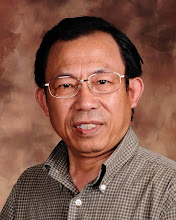


研究雪域文化成了我防止老年痴呆的药方,撰写寓言故事则能让我返老回童。我以智慧过人的阿古登巴为主角,将诗体和散文结合的寓言创作方法,创作了《雪域寓言》。
回复删除